Politics/ Donald Trump
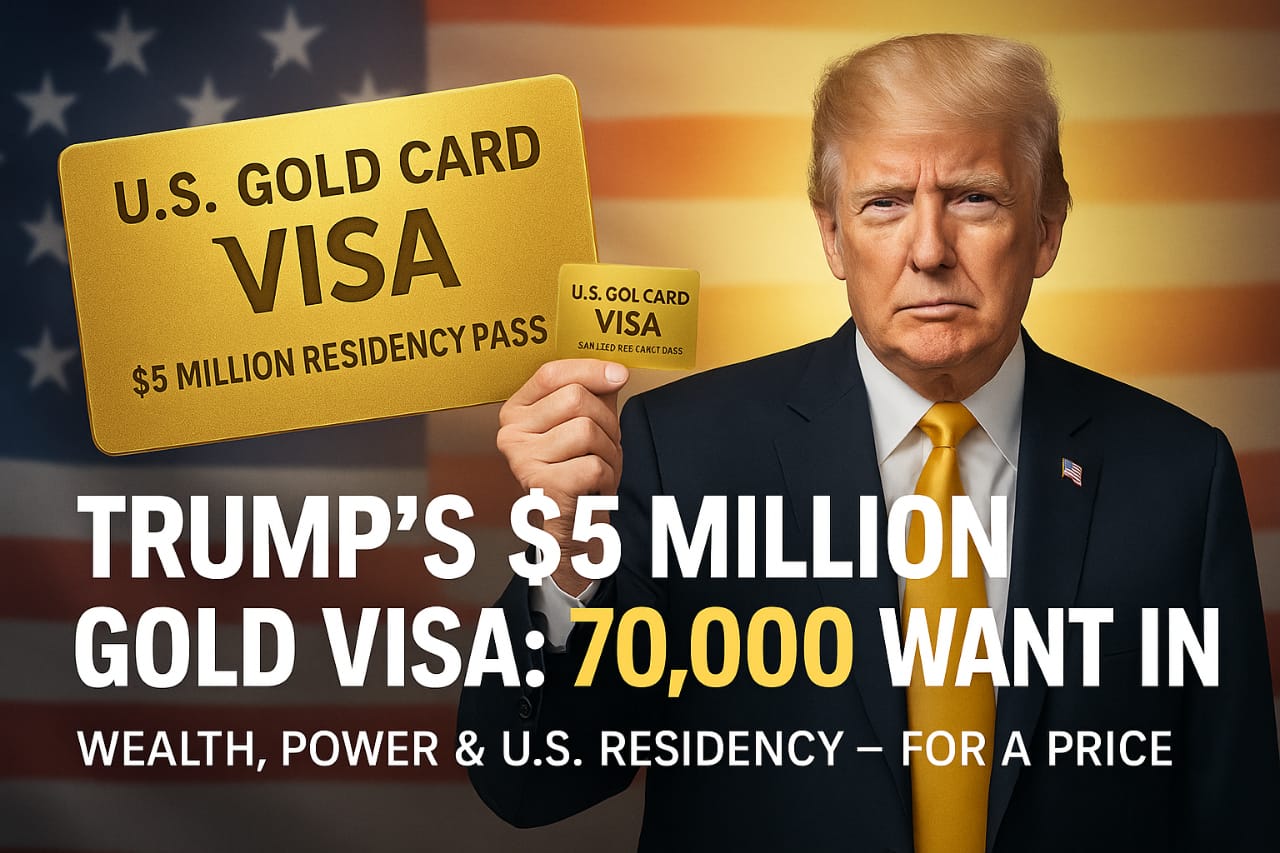
Donald Trump’s new $5 million “Gold Card” visa has drawn nearly 70,000 applicants in 2025. Here’s a clear breakdown of how the program works, who’s applying, and what it means for the U.S. economy.
What Is Trump’s “Gold Card” Visa?
In 2025, President Donald Trump proposed a bold immigration and investment plan: a $5 million visa program called the “Gold Card.”
This initiative is designed to grant U.S. residency to wealthy foreigners who are willing to invest in America and create jobs.
Unlike typical green card programs, the Gold Card focuses on high-net-worth individuals and is part of Trump’s vision to boost the U.S. economy without burdening taxpayers.
Why Is It Making Headlines?
As of June 2025, the program has attracted nearly 70,000 applicants worldwide. According to official reports, the online registration portal saw a massive surge—thousands joining the waitlist within hours.
This overwhelming interest surprised many, given the high price tag of $5 million per visa.
Key Features of the Gold Card Program
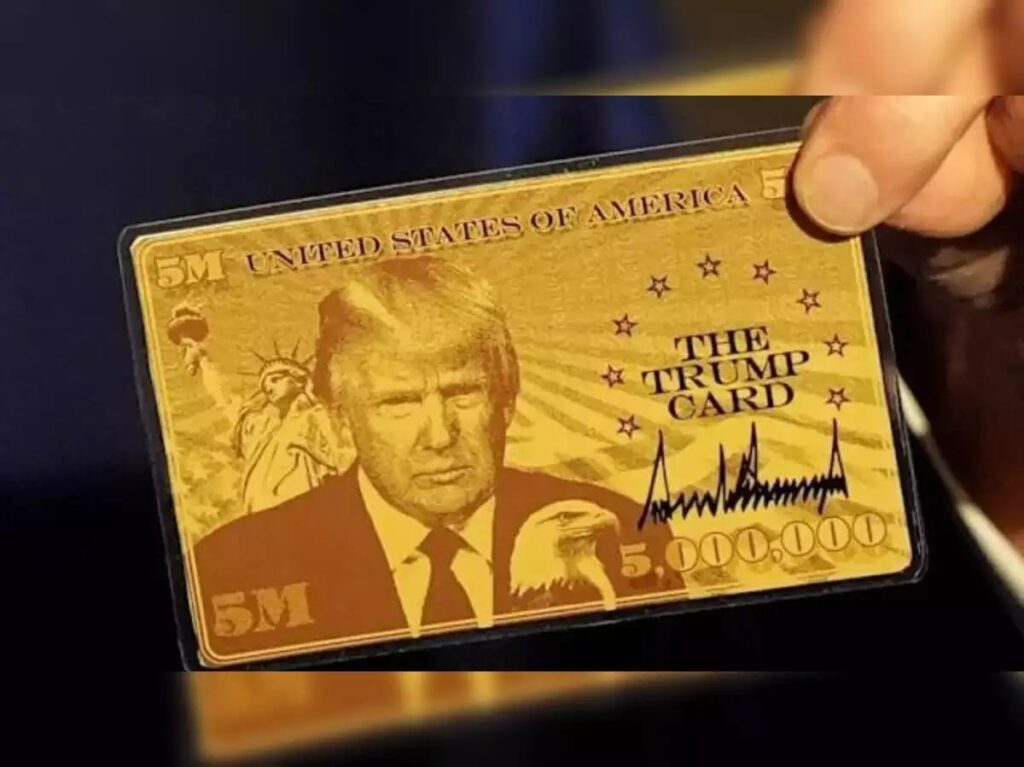
Feature Details
💰 Cost: $5 million investment per applicant
🧳 Eligibility: Foreign investors and job creators
🏠 Benefit U.S. residency for the applicant and family
⏳ Status: Registration open; visas not yet issued
🎯 Goal: Raise $1 trillion+ in revenue
Who Is Applying?
The program is mainly attracting:
Billionaires and ultra-high-net-worth individuals from Asia, the Middle East, and Europe.
Foreign entrepreneurs who are looking to expand into U.S. markets.
Business leaders aiming for U.S. residency for educational, security, or family reasons.
Some speculate that global instability, changing tax laws, and demand for American access are pushing wealthy elites to apply.
Trump’s Vision Behind the Plan
Trump says the Gold Card will:
Create jobs for Americans by requiring investment in businesses.
Generate revenue to reduce national debt and fund public infrastructure.
Reduce illegal immigration by offering legal pathways for the ultra-wealthy.
Compete with other “Golden Visa” programs globally (like those in Portugal and the UAE).
Criticism and Concerns
While the program is gaining traction, it’s not without criticism:
“Selling America”: Critics argue it gives special treatment to the rich while working-class immigrants face long waits.
Ethical and legal questions: Immigration experts say it must pass through multiple layers of approval from DHS and Congress.
Wealth inequality: Some fear it could deepen global economic divides by favoring elites.
Economic Impact
If all 70,000 applicants paid the full $5 million:
That would generate $350 billion in potential revenue.
Trump’s team claims a long-term goal of issuing up to 200,000 Gold Cards, potentially raising $1 trillion or more.
These funds could go toward public debt, infrastructure, or job-creating programs—but full rollout details remain unclear.

What’s Next?
The U.S. government has not yet officially approved the visa. Right now:
The system is collecting registrations through an online portal.
Legal and political processes will determine when and how the visas are issued.
Trump’s campaign continues to promote the idea as part of a larger economic revival plan.
Conclusion
Trump’s “Gold Card” visa has stirred global interest, with 70,000 wealthy individuals lining up for a chance to invest in America—and gain residency.
While it’s a bold move aimed at economic growth, it also raises big questions about fairness, access, and America’s immigration future.
As the program unfolds, the world is watching to see whether this golden promise becomes a political reality or remains a luxury dream.
Also Read-
- Iran’s Supreme Leader Rejects Trump’s Surrender Demand: “We Will Never Kneel”

- Hurricane Erick 2025: Mexico Braces for Powerful Category 4 Storm
- Elon Musk’s Starship Explosion at Starbase!!!
- Juneteenth 2025: Celebrating Freedom and What to Expect This Federal Holiday
- Trump’s $5 Million “Gold Card” Visa Program Attracts 70,000 Applicants: What You Need to Know
- G7 Summit 2025: Key Highlights and What the World Needs to Know!
- Iran-Israel Conflict: What’s Happening and Why It Matters in 2025!
- Mike Waltz Fired Over “Signalgate” Scandal: What You Need to Know?
- Michelle Trachtenberg’s Cause of Death Found?! What Happened to Her?
- Katy Perry in Space: Win for Women or Just PR Hype? Get the Full Story!!
- IShowSpeed in China: Trade War vs. Humanity? Love Won!!
- Hudson River Helicopter Crash: A Spanish CEO Died? What happened?
- Truth Behind the Michelle and Barack Obama Divorce Buzz?!
- What is the 104% China Tariff? Everything You Need to Know
- Dominican Republic Roofcollapse: Music and Sports Icon found Dead? How?!
- Global Markets Rebound: Stocks Rebound After Meltdown, Know the Reason!!
- CSK’s 3 back-to-back losses? What happened to CSK really?
- What Caused the Spiral in the European Sky? Here’s the truth!!
- Trump’s New Tariffs- “Liberation Day”
- Waqf Amendment Bill 2025: Reform or Controversy? A Closer Look at the Key Changes
- Val Kilmer Dead!! What Happened to him? Know the Truth!
- Florida Special Election Results: Republicans Retain Key House Seats!!
- Sunita Williams Breaks Silence: First Interview After Returning from Space!
- TikTok Trends vs Nutrition Myths : What’s Fact and What’s Fiction?
- ChatGPT’s Ghibli Art Trend: How to Create Stunning AI-Generated Images.
- Myanmar Shakes, Korea Burns, and Seoul Sinks— Is Asia Cursed by Nature??!
- TVK (Tamilaga Vettri Kazhagam) holds its First General Body Meeting: Next Milestone in Politics!
- 7.7 – Magnitude Earthquake hits Myanmar, followed by powerful 6.4 Aftershock in Thailand!
- Sunita Williams returns home! From an 8-day Mission to 9-month stay: Know the truth about what really happened!