Health/Lifestyle
Nutrition Facts vs. TikTok Trends! Is disinformation being spread by viral trends? We’ll expose the reality behind the most prevalent nutrition fallacies on TikTok in this post.
Viral trends, such as diet and weight-loss tips, can be found on TikTok; some are beneficial, but more misinformation are as well as found on TikTok.
Top Myths About Nutrition on TikTok Busted
Let’s see some misinformation that have gained widespread popularity. Tell us which one you followed in the comments area.
1. Dry Scooping to Increase Absorption Before Working Out
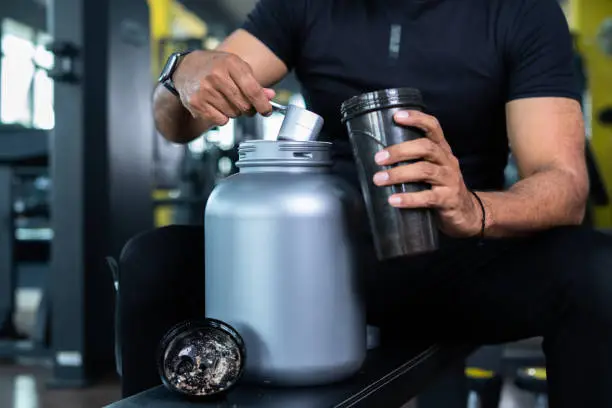
- The Myth: Taking dry pre-workout powder without water increases energy levels and speeds up absorption.
- The Fact: Choking and heart problems are increased when dry scooping is done. When combining dry powders with water, always adhere to the instructions.
2. Bone Broth: The Best Supplement for Health
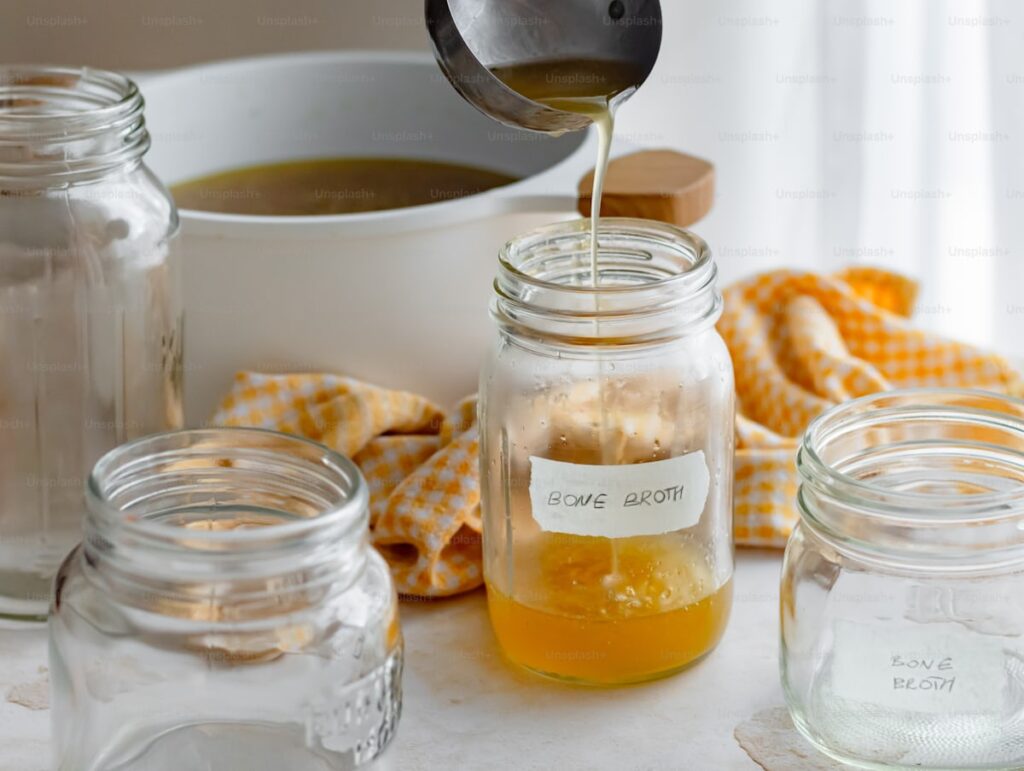
- The Myth: By encouraging the synthesis of collagen, bone broth aids in the aging process.
- The Fact: Although bone broth is high in nutrients, there is no scientific proof to back up its purported health advantages. A well-balanced diet works better.
3. Eating Ice indicates an Iron Deficiency
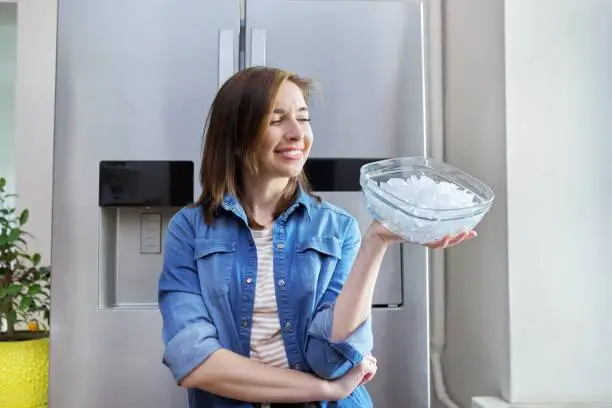
- The Myth: If you feel like eating ice means you have low iron levels.
- The Truth: Yes, some iron deficiency people crave for iron, but not everyone who eats ice has iron problem. Always consult a doctor for proper diagnosis.
Also read about: The Myanmar Earthquake, which is shaking the Earth.
4. Apple Cider Vinegar Melts Fat Instantly
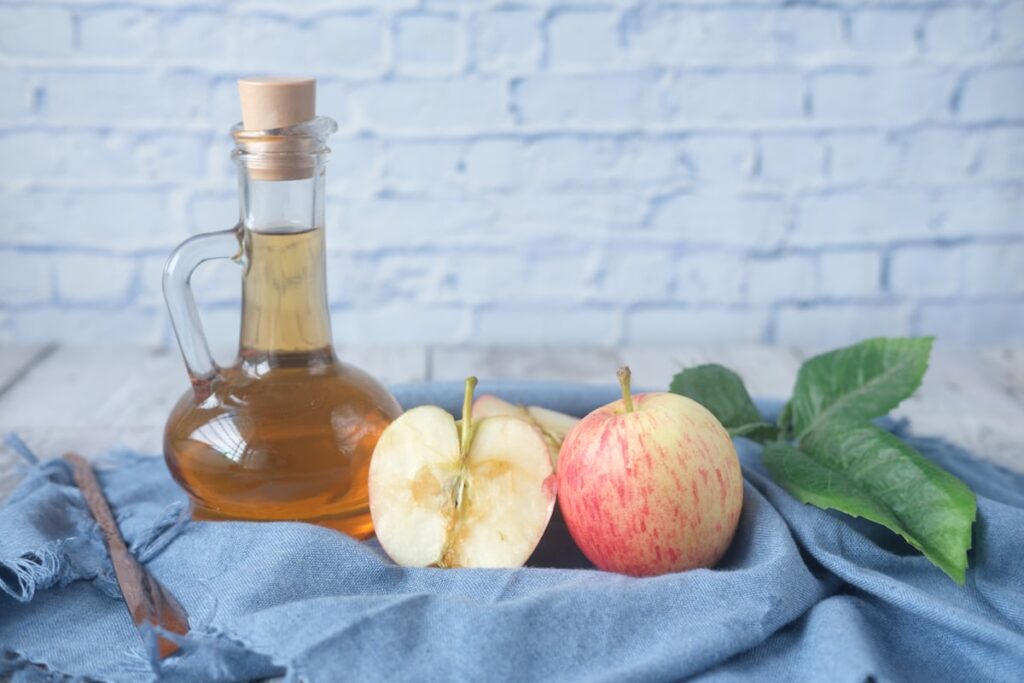
- The Myth: Drinking apple cider vinegar before meals burns fat and speeds up metabolism.
- The Truth: While apple cider vinegar may help in digestion it doesn’t magically melt. Weight loss requires a healthy diet alongside with exercise.
5. Celery Juice Cures Everything
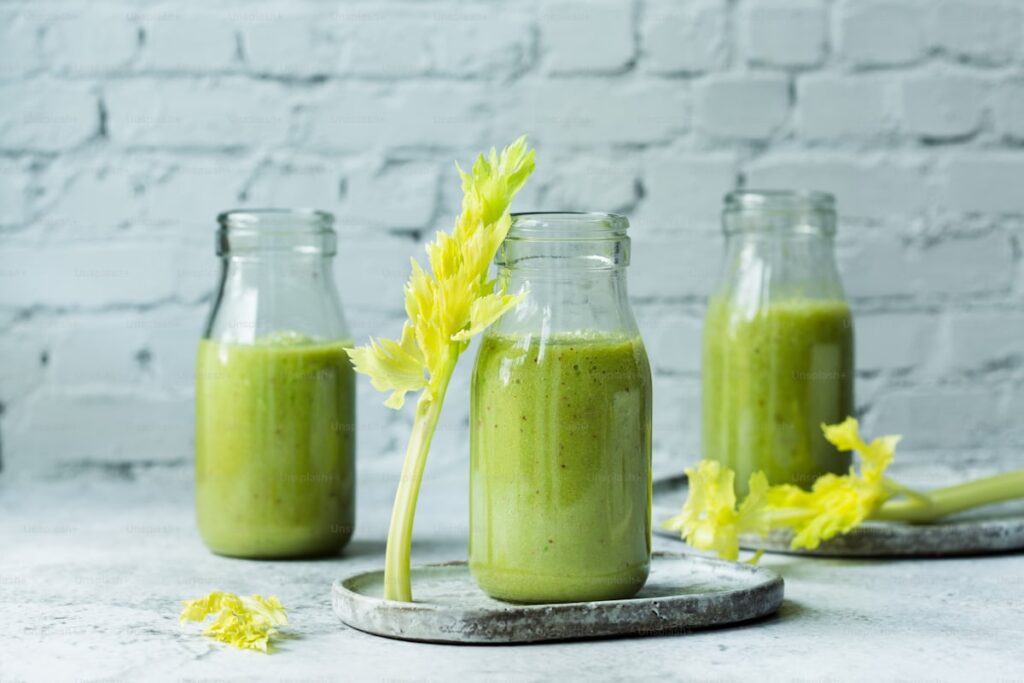
- The Myth: Drinking celery juice every morning heals gut issues, clears skin, and detoxifies the body.
- The Truth: Celery juice is a hydrating drink, but there is no scientific evidence that it follows the claimed benefits.
How to spot Fake Nutrition Advice on TikTok?
- Check the source – Is the informer a certified nutritionist or just a random influencer?
- Look for scientific backing – Check for any scientific proof on the claims.
- Consult a professional- Always, it’s good to verify with a professional dietitian or doctor.
Conclusion
Yes, everything we see on TikTok nowadays is not trustworthy. It is always advisable to consult a doctor before you start any diet plan or viral trends. Don’t fall for any nutrition myths just because it is trending, always check for the scientific evidence to support them or consult a doctor or dietitian.
“Tell me what you eat, and I will tell you what you are.”
– G. K. Chesterton
What’s the most shocking nutrition myth you’ve seen on TikTok? Let us know in the comments!