Breaking News/ War
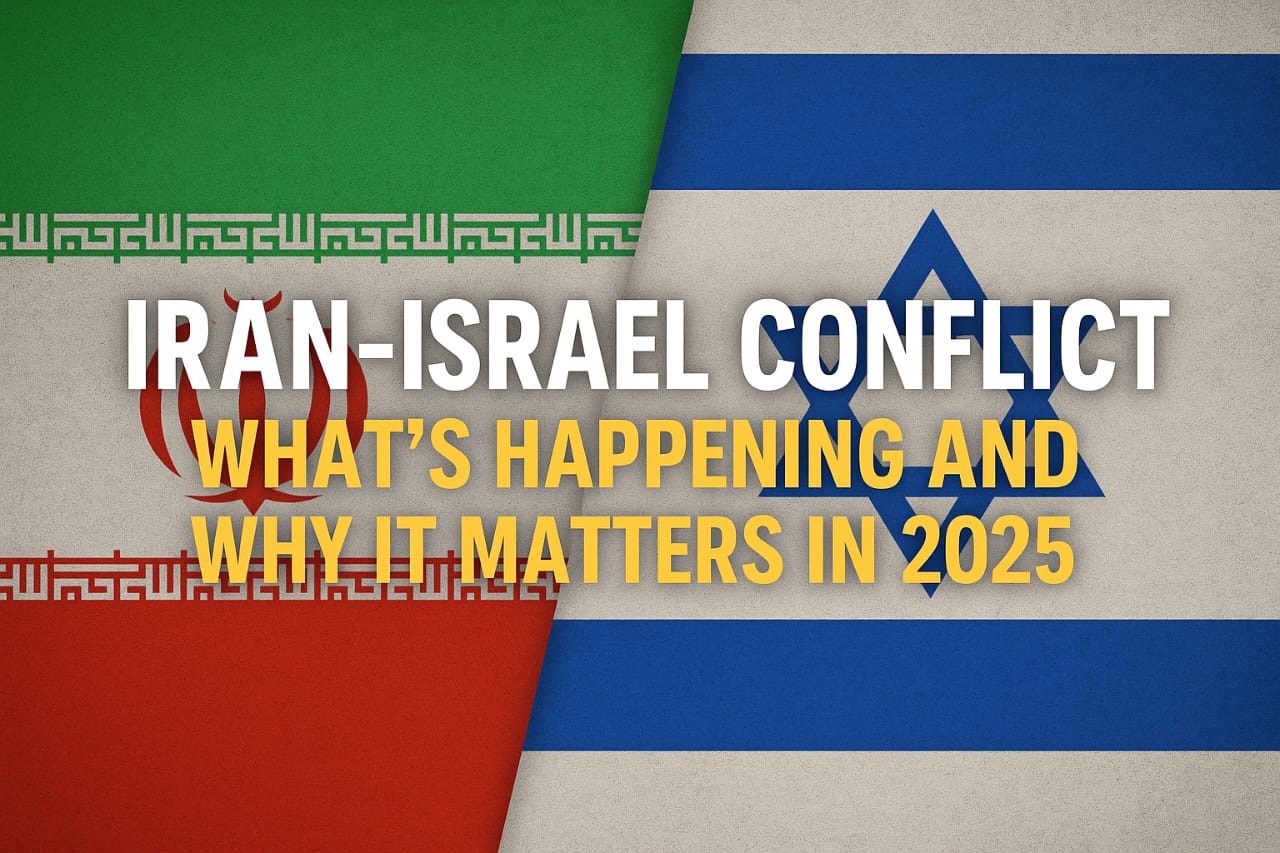
The Iran-Israel conflict continues to intensify in 2025. Explore the causes, key events, and global impact of this escalating situation in the Middle East.
Introduction
The long-standing tension between Iran and Israel has taken a dangerous turn in 2025, drawing international attention and concern.
This conflict isn’t just a regional issue—it has potential global consequences.
In this article, we break down the background, recent developments, and the possible outcomes of the Iran-Israel conflict in a simple and easy-to-understand way.
Background: A History of Hostility
The conflict between Iran and Israel dates back several decades. Here’s a quick summary of why these two nations have been at odds:
Ideological differences: Iran is an Islamic Republic that strongly opposes Israel’s existence as a Jewish state.
Nuclear fears: Israel has accused Iran of developing nuclear weapons, which Iran denies.
Proxy wars: Iran supports militant groups like Hezbollah in Lebanon and Hamas in Gaza, both of which oppose Israel.
This deep-rooted hostility has led to frequent threats, cyber-attacks, and military operations over the years.
What Triggered the 2025 Escalation?
In early 2025, tensions sharply escalated due to a series of events:
Iran’s drone and missile attacks on Israeli military bases were seen as retaliation for Israeli airstrikes in Syria that killed Iranian commanders.
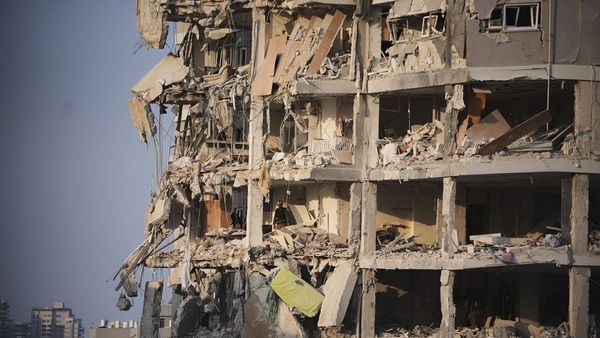
Israel responded with targeted airstrikes on Iranian nuclear and military sites.
Cyber warfare intensified, affecting infrastructure in both countries.
Diplomatic efforts by the UN and neutral nations have failed to ease tensions so far.

How Is the War Affecting Civilians?
The conflict has had a major humanitarian impact:
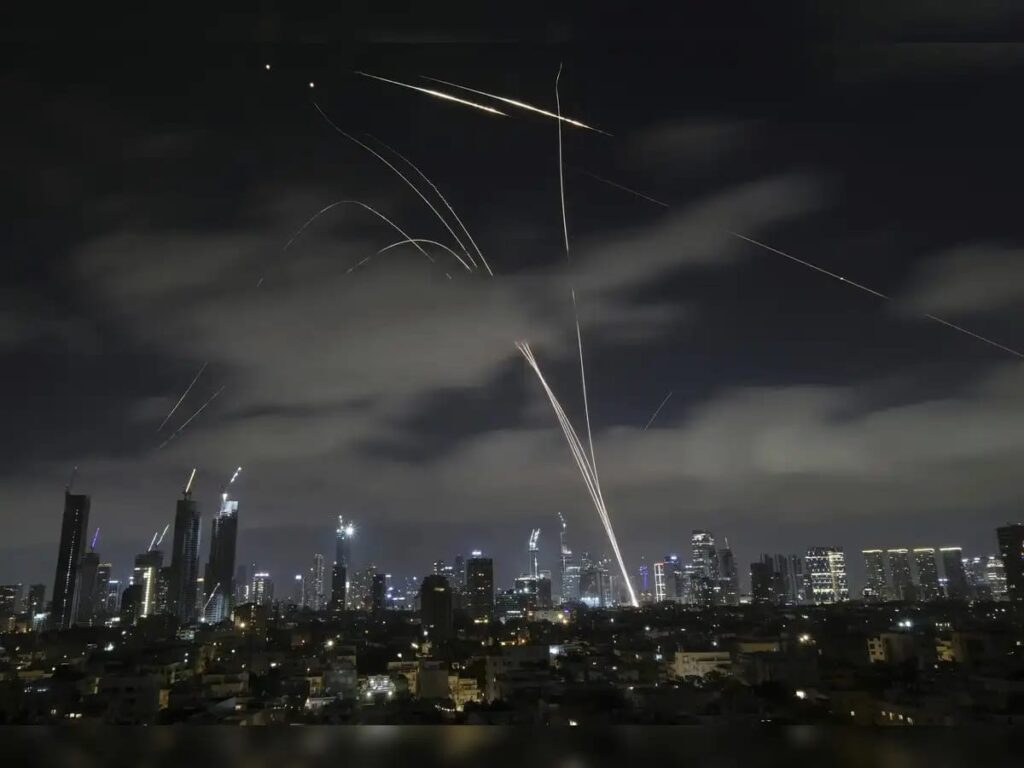
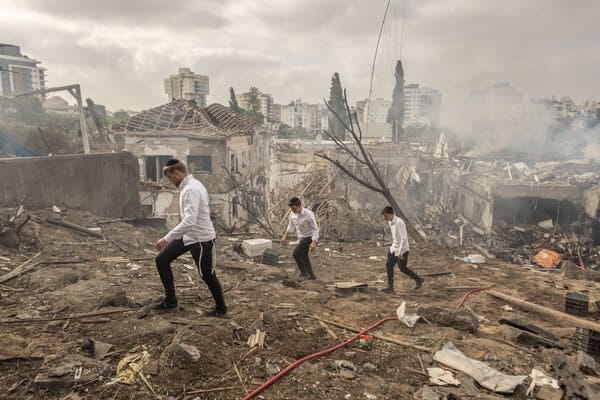
Civilians in both countries are living in fear, with bomb shelters becoming a daily necessity in Israeli cities.
Internet and power outages have occurred due to cyberattacks.
Oil prices have surged globally, as instability in the Middle East affects trade routes and energy supply.
Global Reactions
The world is watching closely, and reactions vary:
United States: While traditionally supporting Israel, the U.S. has urged both sides to de-escalate.
Russia and China: These countries have condemned the violence and called for diplomatic dialogue.
Arab nations: Divided responses—some silently support Iran while others worry about the conflict spreading to their own borders.
Could This Lead to a Regional War?
Many experts fear that continued escalation could lead to a broader Middle East war. Key risks include:
Involvement of Hezbollah in Lebanon
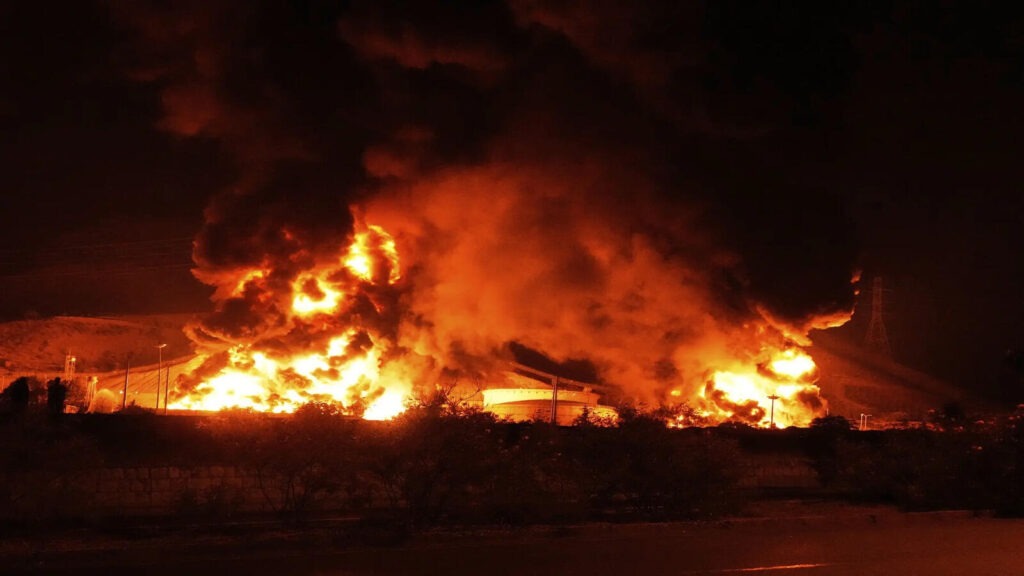
Disruption of oil trade in the Persian Gulf
Possible intervention by global superpowers
While a full-scale war is not yet declared, the situation remains fragile.

What Happens Next?
Several outcomes are possible:
Diplomatic resolution with the help of global powers
Prolonged low-level warfare with ongoing airstrikes and cyberattacks
Full-scale war involving regional allies and international forces
Right now, the world is hoping for peace, but preparing for all scenarios.
Conclusion
The Iran-Israel conflict is complex and dangerous, with deep historical roots and far-reaching consequences.
As events unfold, staying informed and understanding the bigger picture is more important than ever.
Read More
- Newsontop- 24 Hours Wrap!!

- Iran’s Supreme Leader Rejects Trump’s Surrender Demand: “We Will Never Kneel”
- Hurricane Erick 2025: Mexico Braces for Powerful Category 4 Storm
- Elon Musk’s Starship Explosion at Starbase!!!
- Juneteenth 2025: Celebrating Freedom and What to Expect This Federal Holiday
- Newsontop- 24 Hours Wrap!!
- Trump’s $5 Million “Gold Card” Visa Program Attracts 70,000 Applicants: What You Need to Know
- G7 Summit 2025: Key Highlights and What the World Needs to Know!
- Iran-Israel Conflict: What’s Happening and Why It Matters in 2025!
- K-Pop Star Entering Bollywood?! Jackson Wang Back In India!!
- Which Harry Potter Character Are You Based on Your Personality?!
- GTA 6 Delayed: Rockstar Pushes Release to May 2026
- Mike Waltz Fired Over “Signalgate” Scandal: What You Need to Know?
- Michelle Trachtenberg’s Cause of Death Found?! What Happened to Her?
- VJ Priyanka Deshpande got married?! Real or Fake?!
- Katy Perry in Space: Win for Women or Just PR Hype? Get the Full Story!!
- IShowSpeed in China: Trade War vs. Humanity? Love Won!!
- Hudson River Helicopter Crash: A Spanish CEO Died? What happened?
- Truth Behind the Michelle and Barack Obama Divorce Buzz?!
- Good Bad Ugly Review: Ajith Kumar Shines but Story..?
- What is the 104% China Tariff? Everything You Need to Know
- Dominican Republic Roofcollapse: Music and Sports Icon found Dead? How?!
- Global Markets Rebound: Stocks Rebound After Meltdown, Know the Reason!!
- Universal’s Epic Universe: The Next Big Thing in Theme Parks Coming in 2025!!
- CSK’s 3 back-to-back losses? What happened to CSK really?
- 10 Rama Navami Wishes and Images to Share with Everyone!!
- Travis Scott India Concert 2025!! – Tickets burning?
- What Caused the Spiral in the European Sky? Here’s the truth!!
- 10 Trends We Did in COVID Lockdown – Now Laugh At!!
- Trump’s New Tariffs- “Liberation Day”
- Waqf Amendment Bill 2025: Reform or Controversy? A Closer Look at the Key Changes
- Val Kilmer Dead!! What Happened to him? Know the Truth!
- Florida Special Election Results: Republicans Retain Key House Seats!!
- Sunita Williams Breaks Silence: First Interview After Returning from Space!
- Financial Changes from April 1, 2025: What Will Cost You More in India?
- TikTok Trends vs Nutrition Myths : What’s Fact and What’s Fiction?
- ChatGPT’s Ghibli Art Trend: How to Create Stunning AI-Generated Images.
- Ajith Kumar’s Good Bad Ugly Second Single “God Bless U” Set for Release!
- Myanmar Shakes, Korea Burns, and Seoul Sinks— Is Asia Cursed by Nature??!
- TVK (Tamilaga Vettri Kazhagam) holds its First General Body Meeting: Next Milestone in Politics!
- 7.7 – Magnitude Earthquake hits Myanmar, followed by powerful 6.4 Aftershock in Thailand!
- Sunita Williams returns home! From an 8-day Mission to 9-month stay: Know the truth about what really happened!